6 views
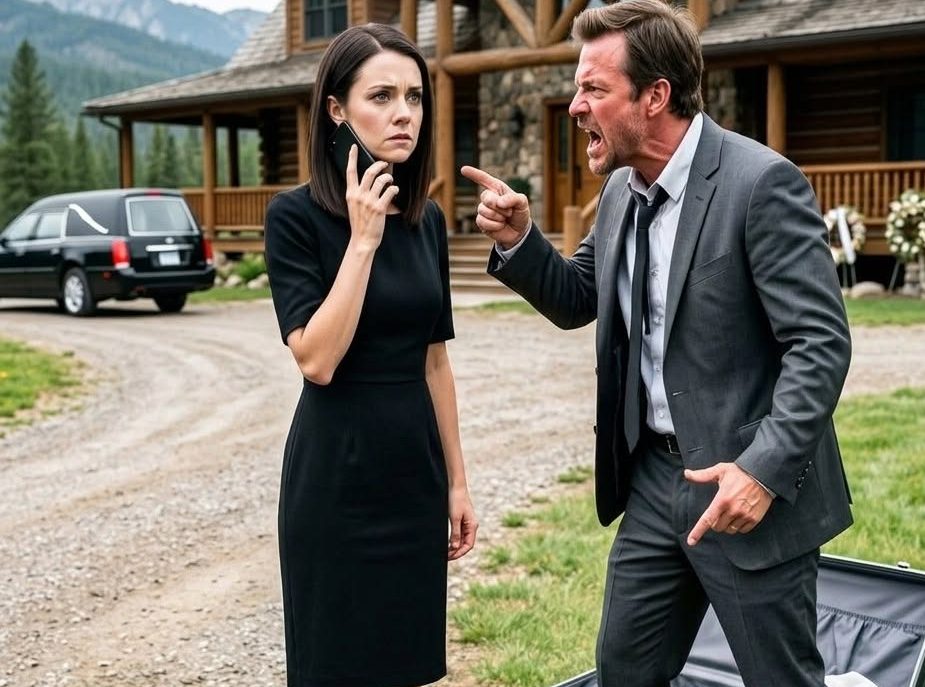
He seemed to be enjoying every second. Throughout our lives, he had treated even ordinary family disagreements as contests, convinced beforehand that he would come out on top. With Dad gone, he assumed no one could oppose him.
I got out and returned toward the house.
“Still here?” Michael asked. “I thought you were leaving.”
“I am. I just want to make one thing clear. You should not make any decisions about Dad’s property until the estate has been properly settled.”
He erupted in laughter.
“Dad promised me this ranch. Everyone knows it.”
“Did he put that promise in his will?”
Michael’s smile stiffened. “You wouldn’t understand how these things work.”
“Then perhaps you should talk to a lawyer before making any assumptions.”
Patricia stepped in, her features hardening. “Your father would be ashamed of you. He dies, and all you can think about is money.”
I stared at her. “I haven’t asked for a single dollar. I’m simply telling Michael not to act as though he owns everything.”
“Because he does!” she snapped.
Michael seized the handle and pushed my suitcase toward me. “Get off my property, Claire. I’m done discussing this.”
I collected the luggage without protest. I would not turn Dad’s funeral into a spectacle. Nor would I let Michael frighten me into relinquishing my rights.
I checked into a nearby hotel and spent the rest of that evening reading old messages from Dad, searching them for the reassurance I could no longer ask him to give me. One stood out, sent six months earlier after Michael sought another bailout for a failed investment.
“Some people think inheritance is something they deserve. Remember that what matters is what you build, not what you expect someone else to hand you.”
Back then, I thought Dad was merely exasperated with Michael. Now it seemed he might have anticipated this very conflict.
Richard provided an update the following morning. He had obtained the will, account statements, and property documentation. He was consulting estate professionals about the next lawful actions. He cautioned against confronting Michael or making public assertions before completing the records.
“There is one more thing you should know,” he added. “Your father anticipated that there might be disagreements over the estate. He left detailed records explaining his decisions.”
“What kind of records?”
“Letters, financial documents, and notes concerning the property and his intentions. We’re organizing everything now.”
My stomach tightened. “Did he mention Michael?”
“He did. I would rather discuss the contents with you in person.”
We scheduled an afternoon meeting at his Bozeman office.
Before checkout, Michael sent a text.
“Dad’s business accounts are being reviewed. If you think you can come back and take control of everything, forget it. You abandoned this family years ago.”
I reread it, saved it, and sent it to Richard.
I gave no response.
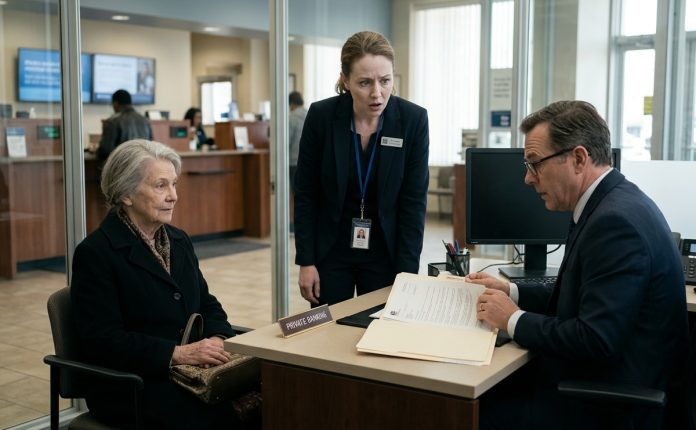
Richard welcomed me into his office with a substantial file and a grave look. He said Dad had planned the inheritance carefully; Michael’s expectations could not supersede signed legal records.
He opened the file to reveal a handwritten letter from Dad.
The opening words brought tears to my eyes.
“If you are reading this, Claire, then I was right to worry about what would happen after I was gone.”
I took the pages with unsteady fingers.
I was finally going to learn what Dad wanted me to know.
I opened Dad’s letter, recognizing the script from birthday greetings and notes left by my breakfast at the ranch.
“My dearest Claire,” it began, “if Richard has given you this letter, then I am no longer there to explain my decisions myself. I hope you understand that leaving you the estate was never about punishing your brother. It was about trusting the person I believed would protect what this family built.”
I paused, unable to continue immediately.
Dad described watching Michael mismanage money for years. He repeatedly intervened, hoping failures would eventually teach accountability. Instead, Michael began expecting help after every setback.
Dad also acknowledged his own part in creating the situation. He did not pretend the imbalance between us had developed without his involvement. By shielding Michael from consequences, he had fostered resentment between us.
Related stories

Emily Carter’s Hospital Room Changed Everything Her Husband Believed

My Daughter Called Me a Leech, But the Next Morning I Walked Into Her Bank With $260 Million

Jenna Turned the Car Around, and Then Thanksgiving Changed Everything

How One Orange Peel in the Mess Hall Brought Down Sergeant Miller

<h1 class="page-title">After my husband shoved me down the stairs, my mother-in-law stood over me and called me “a worthless disgrace.” Then she called my father and said, “Come take your broken daughter. She’s no longer our problem!” My father calmly replied, “Touch her again,</h1>